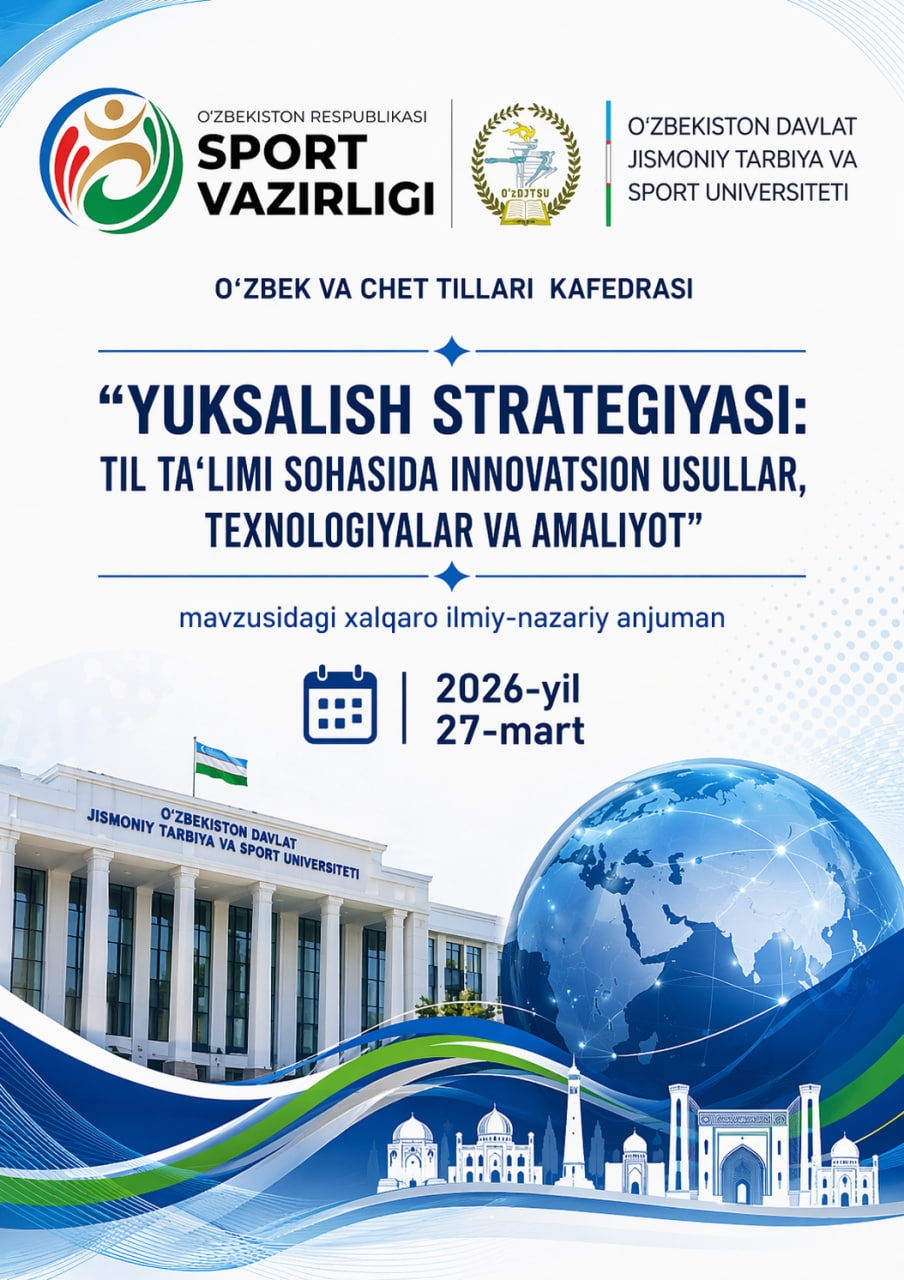
INNOVATIVE METHODS IN LANGUAGE EDUCATION AND NATIONAL AND INTERNATIONAL EXPERIENCES IN METHODOLOGY: PROBLEMS AND SOLUTIONS
Keywords:
language education, innovative methods, methodology, communicative approach, digital learning, formative assessment, international experience, language teachingAbstract
This article explores innovative methods in language education, focusing on both national and international methodological experiences. It examines current trends such as communicative language teaching, task-based learning, digital technologies, and learner-centered approaches. The study identifies key challenges in implementing these methods, including insufficient teacher training, lack of technological resources, and discrepancies between theory and practice. Additionally, the article proposes practical solutions to enhance the effectiveness of language teaching through integration of global best practices and adaptation to local educational contexts. The findings emphasize the importance of continuous professional development, curriculum modernization, and the use of innovative assessment tools..
References
Richards, J. C., & Rodgers, T. S. (2014). Approaches and Methods in Language Teaching. Cambridge University Press.
Harmer, J. (2015). The Practice of English Language Teaching. Pearson Education.
Brown, H. D. (2007). Principles of Language Learning and Teaching. Pearson Longman.
Council of Europe. (2020). Common European Framework of Reference for Languages (CEFR).
Ellis, R. (2003). Task-Based Language Learning and Teaching. Oxford University Press.
Nation, I. S. P., & Macalister, J. (2010). Language Curriculum Design. Routledge.
Warschauer, M., & Healey, D. (1998). Computers and language learning: An overview. Language Teaching, 31(2), 57–71.