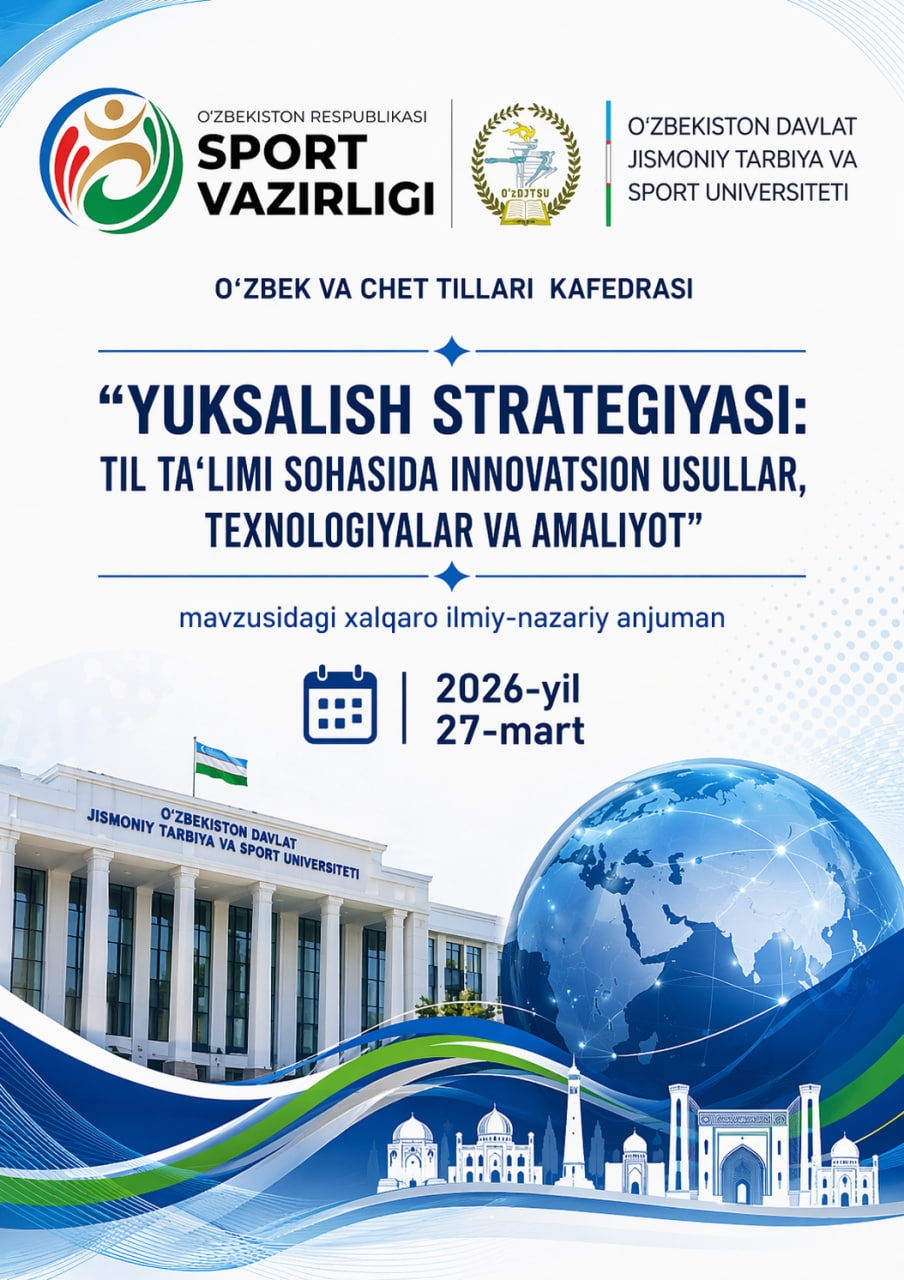
GROWTH STRATEGY: INNOVATIVE METHODS, TECHNOLOGIES, AND PRACTICES IN THE FIELD OF LANGUAGE EDUCATION
Keywords:
Language education, innovative methods, growth strategy, digital technologies, gamification, blended learning, artificial intelligence, communicative competence, task-based learning, student-centered learning.Abstract
The rapid development of globalization and digital technologies has significantly transformed the field of language education. This article explores growth strategies in language education through the integration of innovative methods, advanced technologies, and modern pedagogical practices. Emphasis is placed on student-centered approaches, communicative competence, and the role of digital tools such as artificial intelligence, virtual reality, and mobile learning applications. The study analyzes contemporary methodologies including task-based learning, gamification, flipped classrooms, and blended learning. The findings suggest that the effective combination of pedagogical innovation and technological advancement enhances learner engagement, motivation, and language proficiency. The article concludes that sustainable growth in language education depends on adaptive teaching strategies and continuous professional development of educators.
References
Isamova, P. (2024). Innovative Teaching Methods in Language Education: A Comprehensive Overview.
Navruzova, G., & Murodova, D. (2025). Innovative Methods of Learning Foreign Languages.
Bekmurodova, M., & Azadova, H. (2024). Innovative Language Teaching Techniques: Exploring Modern Methods.
Isayeva, U. (2023). Modern Trends and Innovative Methods in Teaching Foreign Languages.
Boranbayeva, I. (2025). Innovative Methods in Teaching the English Language.
Khusanova, S. (2023). Innovative Technologies and Modern Methods of Teaching Foreign Language.
Begmatov, A. (2026). Innovative Methods for Foreign Language Teaching.
Shermamatova, Z. et al. (2023). Foreign Language Teaching Methodology in the 21st Century.
Kojić, T. et al. (2026). Integrating Virtual and Augmented Reality into Language Learning.